Against Sortition? 2nd Edition – PDF/EPUB Version Downloadable
Author(s): Geoffrey Grandjean
Publisher: Imprint Academic
ISBN: 9781788361163
Edition: 2nd Edition
$49,99
Delivery: This can be downloaded Immediately after purchasing.
Version: Only PDF Version.
Compatible Devices: Can be read on any device (Kindle, NOOK, Android/IOS devices, Windows, MAC)
Quality: High Quality. No missing contents. Printable
Recommended Software: Check here

Important: No Access Code
Description
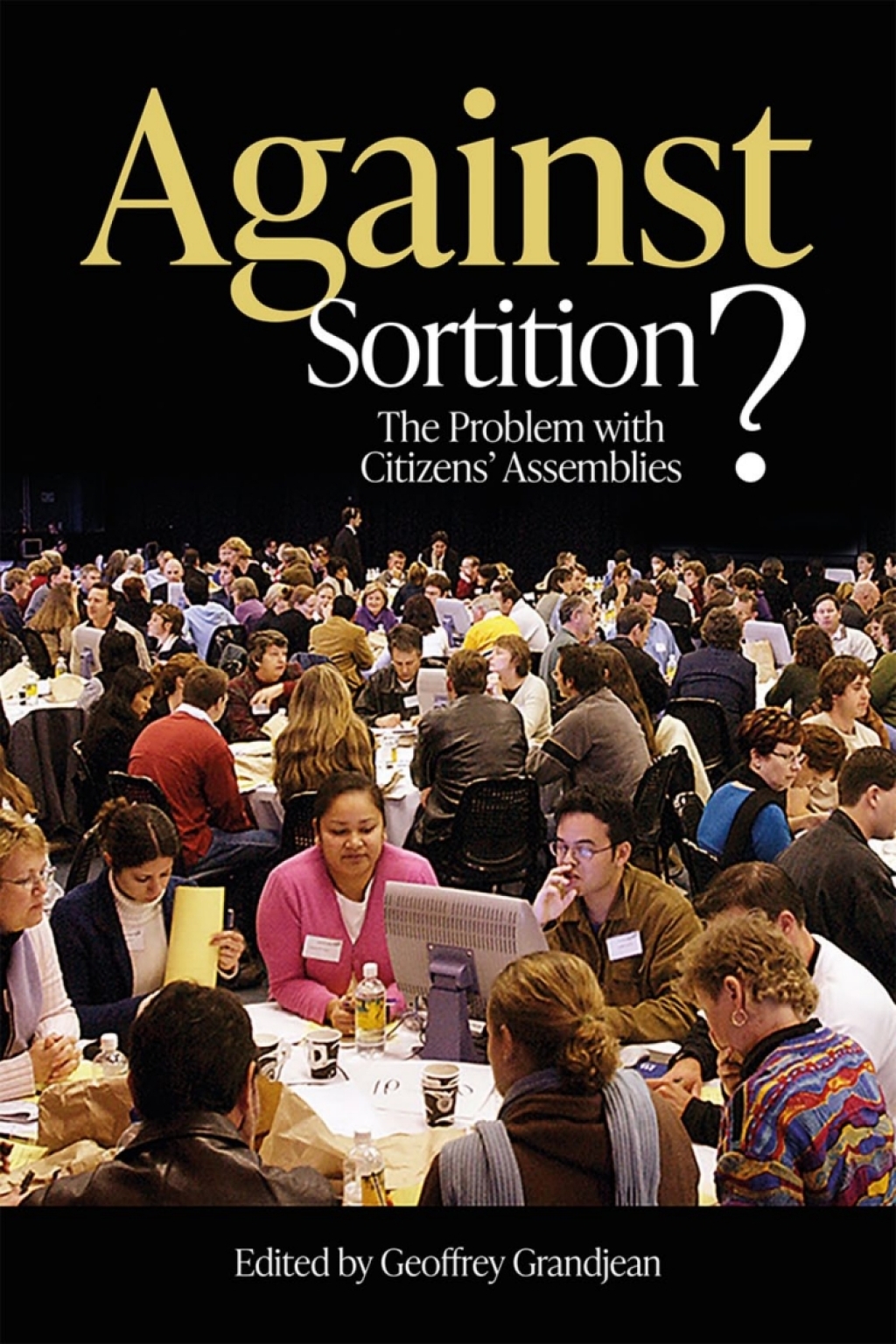
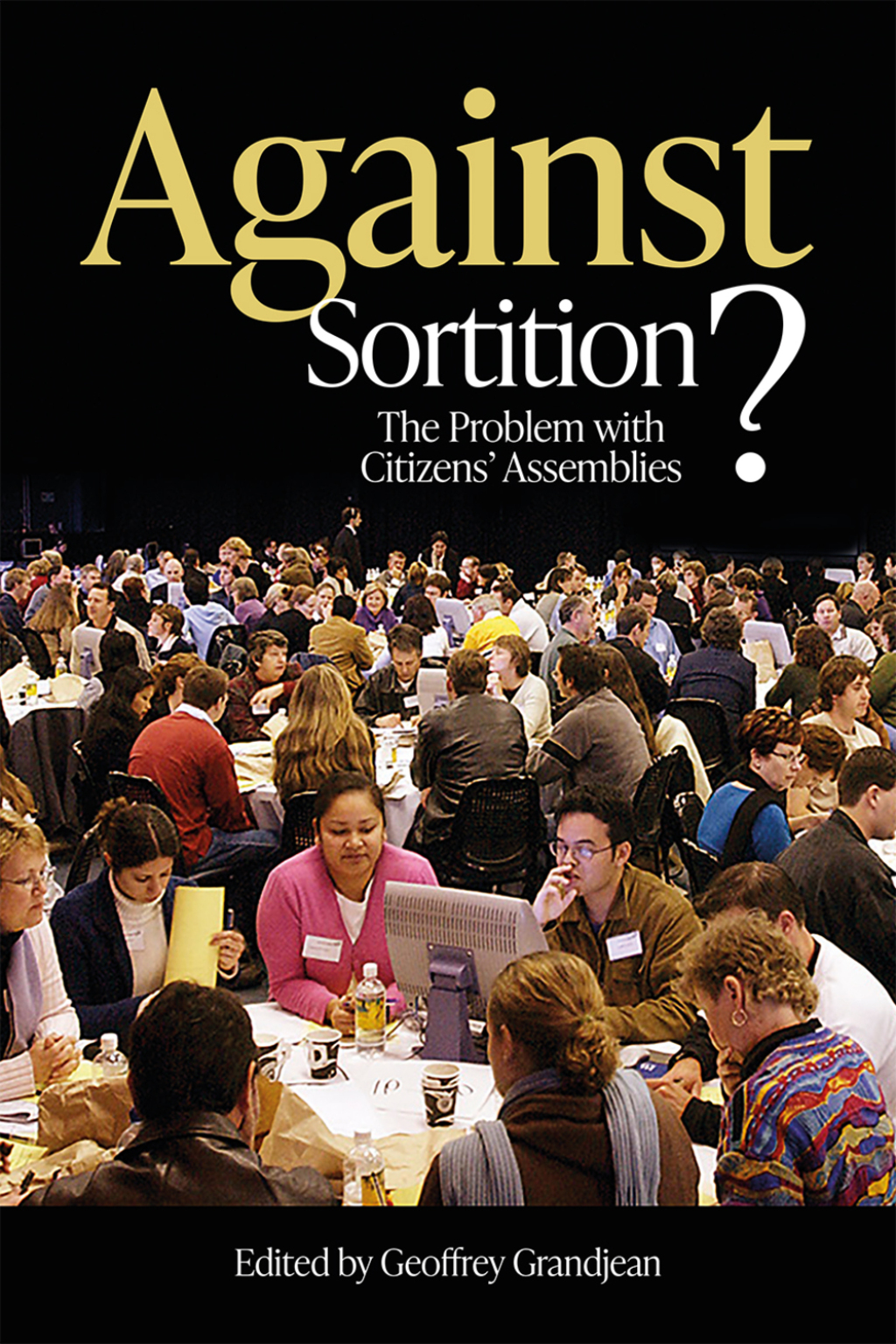
Sortition is widely used in our political systems to constitute citizen panels. It is now possible to study the limits of this method of selecting our political representatives. This book presents the institutionalization of sortition while questioning its political consequences in terms of representation and deliberation. Several examples are used, such as the Citizens’ Climate Convention in France and the Conference on the Future of Europe. In the end, the book helps to identify the consequences of using sortition with regard to the principles of equality and inclusion. Above all, it offers readers the possibility of continuing to reflect on this method of random selection, while promoting the implementation of greater equality between citizens.
Related products
Against Sortition? 2nd Edition – PDF/EPUB Version Downloadable
Author(s): Geoffrey Grandjean
Publisher: Imprint Academic
ISBN: 9781788361163
Edition: 2nd Edition
$49,99
Delivery: This can be downloaded Immediately after purchasing.
Version: Only PDF Version.
Compatible Devices: Can be read on any device (Kindle, NOOK, Android/IOS devices, Windows, MAC)
Quality: High Quality. No missing contents. Printable
Recommended Software: Check here

Important: No Access Code
Description
Sortition is widely used in our political systems to constitute citizen panels. It is now possible to study the limits of this method of selecting our political representatives. This book presents the institutionalization of sortition while questioning its political consequences in terms of representation and deliberation. Several examples are used, such as the Citizens’ Climate Convention in France and the Conference on the Future of Europe. In the end, the book helps to identify the consequences of using sortition with regard to the principles of equality and inclusion. Above all, it offers readers the possibility of continuing to reflect on this method of random selection, while promoting the implementation of greater equality between citizens.