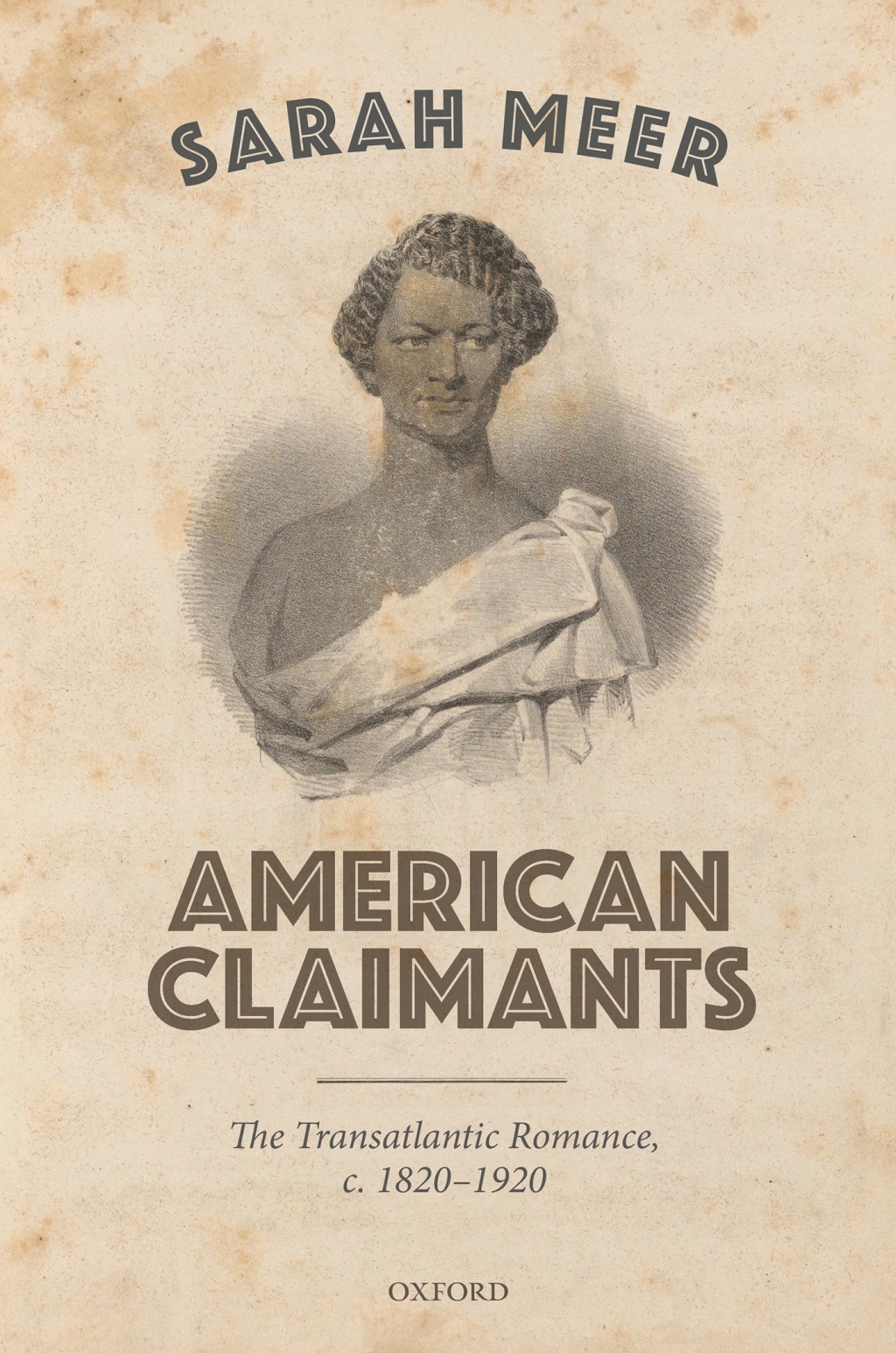
American Claimants The Transatlantic Romance, c. 1820-1920 1st Edition – PDF/EPUB Version Downloadable

Author(s): Sarah Meer
Publisher: OUP Oxford
ISBN: 9780198812517
Edition: 1st Edition

$49,99

Delivery: This can be downloaded Immediately after purchasing.
Version: Only PDF Version.
Compatible Devices: Can be read on any device (Kindle, NOOK, Android/IOS devices, Windows, MAC)
Quality: High Quality. No missing contents. Printable

Recommended Software: Check here

Important: No Access Code

Description

This book recovers a major nineteenth-century literary figure, the American Claimant. For over a century, claimants offered a compelling way to understand cultural difference across the Anglophone Atlantic, especially between Britain and the United States. They also formed a political talisman, invoked against slavery and segregation, or privileges of gender and class. Later, claimants were exported to South Africa, becoming the fictional form for explaining black students who acquired American degrees. American Claimants traces the figure back to lost-heir romance, and explores its uses. These encompassed real, imagined, and textual ideas of inheritance, for writers and editors, and also for missionaries, artists, and students. The claimant dramatized tensions between tradition and change, or questions of exclusion and power: it offered ways of seeing activism, education, sculpture, and dress. The premise for dozens of novels and plays, a trope, a joke, even the basis for real claims: claimants matter in theatre history and periodical studies, they touch on literary marketing and reprinting, and they illuminate some unexpected texts. These range from Our American Cousin to Bleak House, Little Lord Fauntleroy to Frederick Douglass’ Paper; writers discussed include Frances Trollope, Julia Griffiths, Alexander Crummell, John Dube, James McCune Smith, Nathaniel Hawthorne, and Mark Twain. The focus on claimants yields remarkable finds: new faces, fresh angles, a lost column, and a forgotten theatrical genre. It reveals the pervasiveness of this form, and its centrality in imagining cultural contact and exchange.