Art Therapy with Chronic Physically Ill Adolescents Exploring the Effectiveness of Medical Art Therapy as a Complementary Treatment 1st Edition – PDF/EPUB Version Downloadable

Author(s): Luginbuehl-Oelhafen, Ruth
Publisher: Charles C Thomas
ISBN: 9780398078577
Edition: 1st Edition

$49,99

Delivery: This can be downloaded Immediately after purchasing.
Version: Only PDF Version.
Compatible Devices: Can be read on any device (Kindle, NOOK, Android/IOS devices, Windows, MAC)
Quality: High Quality. No missing contents. Printable

Recommended Software: Check here

Important: No Access Code

Description

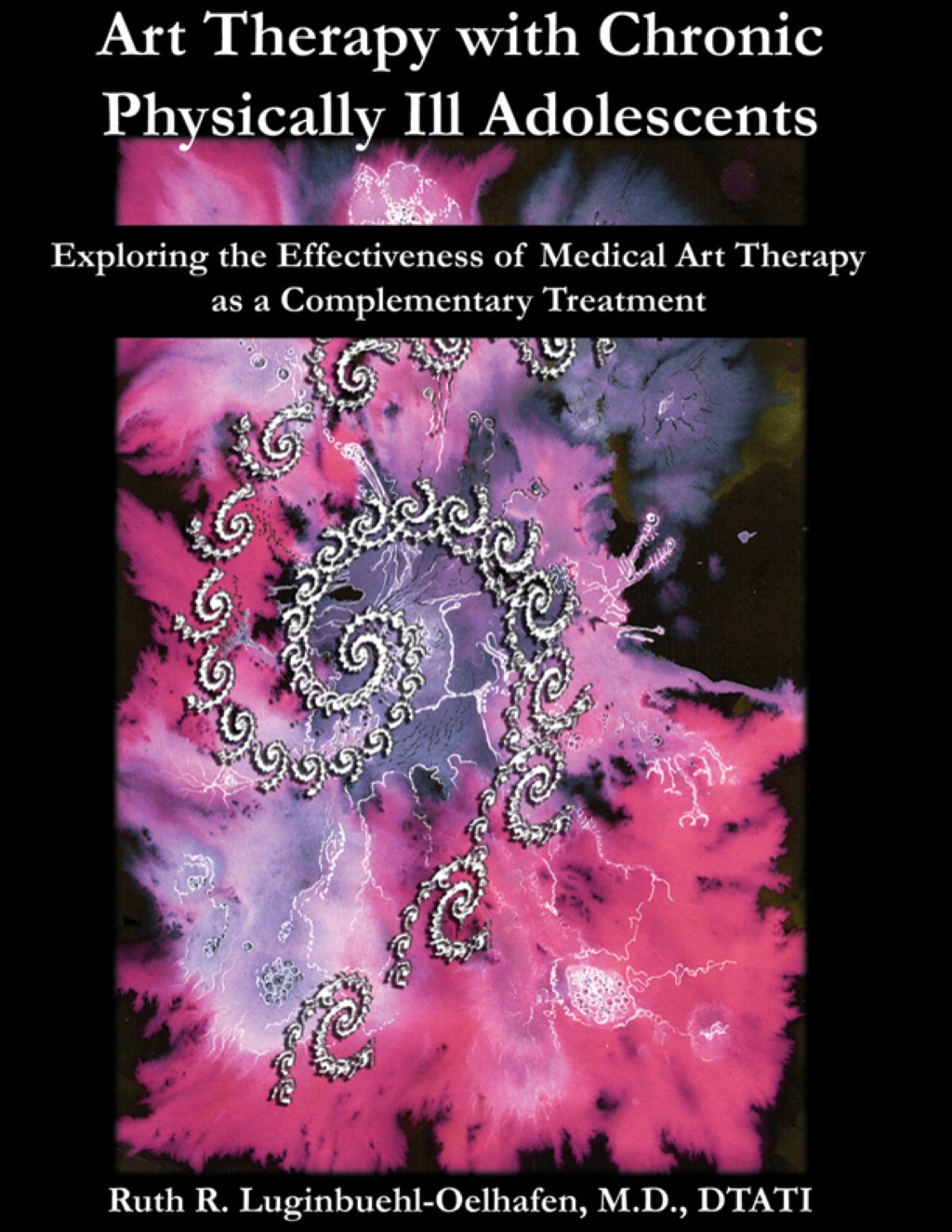
Art Therapy with Chronic Physically Ill Adolescents explores the effectiveness of art therapy as a primary intervention with an adolescent population with chronic physical illness—in this particular case, with adolescents in chronic renal failure either on hemodialysis, peritoneal dialysis or after kidney transplantation. The hypothesis is that art therapy: (1) facilitates expression of emotions through artwork, ideally including verbal expression; (2) enhances self-esteem and identity; (3) helps them cope with their chronic physical illness; and (4) finally, offers an opportunity to vent anger and frustration (catharsis). By getting a safe place to explore issues related not only to the developmental stage but also to the conditions of chronic physical illness, these teenagers may begin to discover their individual strengths through art therapy, rather than dwell primarily on their individual weaknesses. In essence, the book will explore whether art therapy can be a means by which this population could be helped to accept and integrate their chronic physical conditions into their lives and to find an appropriate place in our society. In addition, the book will investigate whether art therapy could become a sanctuary, one in which the patient is allowed to keep control, to make his own decisions, and to explore and develop a sense of freedom in an overwhelming controlling environment. Consisting of four chapters, Chapter 1 provides an in-depth perspective on literature review and adolescence as a developmental stage. The psychological impact of chronic physical illness in adolescence, creativity and art therapy, medical art therapy, and the creative process is discussed. Chapter 2 studies methodology, independent variables, settings, procedures, materials used, and the gathering of data. Chapter 3 addresses case histories, their artwork the short-term treatment group, and the long-term treatment group. Seven clients and examples of their artwork are presented. Chapter 4 discusses results, conclusions and ideas for further studies.

Art Therapy with Chronic Physically Ill Adolescents: Exploring the Effectiveness of Medical Art Therapy as a Complementary Treatment 1st Edition – PDF/EPUB Version Downloadable

Author(s): Ruth R. Luginbuehl-Oelhafen
Publisher: Charles C Thomas
ISBN: 9780398085537
Edition: 1st Edition

$49,99

Delivery: This can be downloaded Immediately after purchasing.
Version: Only PDF Version.
Compatible Devices: Can be read on any device (Kindle, NOOK, Android/IOS devices, Windows, MAC)
Quality: High Quality. No missing contents. Printable

Recommended Software: Check here
Important: No Access Code

Description

This revised first edition is a comprehensive, easy-to-read introduction to personal counseling written for professional and volunteer counselors and those who train them. A major new addition to the book, making it particularly attractive to those who train counselors, is the inclusion of training group exercises for all skills chapters. After reading a particular chapter, the exercises relating to that chapter, in part VI of the book, can be used by trainers to greatly enhance the learning process. These exercises have been found to be popular with both students and those teaching them. The chapters describing basic and more advanced counseling skills are arranged in a sequence that is particularly suitable when teaching student counselors to learn and practice using these skills for the first time. The authors adopt an integrative approach that allows the reader to learn, understand, and use skills taken from major counseling approaches, and to integrate these into a sequential process that maximizes the possibility of facilitating change in clients. Of considerable value for new counselors are those sections of the book that describe the fundamental principles of the counseling relationship, and explain the theories of change applicable to the various approaches to counseling. Unique features include: a highly practical integrative approach; discussion of the specific skills required for success; practical suggestions on ways to learn and develop new skills; an understanding of the role of a counselor’s supervisor; information on practical issues such as keeping records, arrangement of the counseling room, and ways to look after yourself as a counselor; plus practical information on issues of confidentiality and professional ethics. The text will serve as a valuable resource for workers in a wide variety of helping professions where counseling skills are useful, such as psychology, social work, welfare work, medicine, nursing, human services, and education.