Whether or not we ever attain universal social justice, there can be little
doubt that the international community has set meaningful standards, and that
significant progress has been made over the last century. The leading
standard-setter throughout this period has been the International Labour
Organisation (ILO), with its nearly 200 conventions on labour law and social
security law. Yet it is often asked: how effective are these standards? Do any
lLO Member States actually offer (to quote the Philadelphia Declaration of the
ILO Conference of 1944) social security measures to provide a basic income to
all in need of such protection and comprehensive medical care? Perhaps not,
but some come close, thanks to the application of ILO standards.
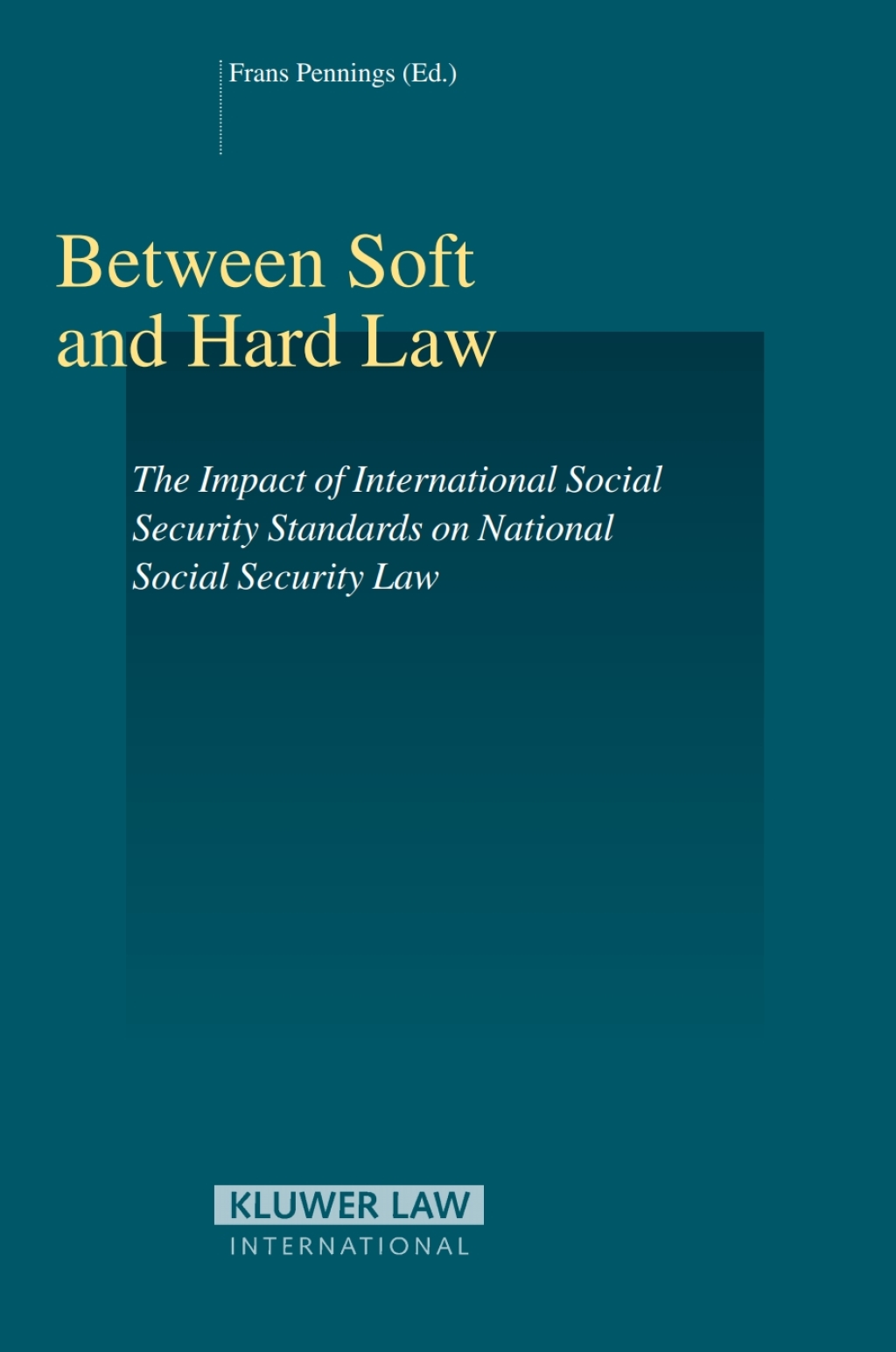
This much-needed volume is the first detailed analysis of the legal meaning of
ILO conventions within the ratifying Member States. In unprecedented depth a
panel of distinguished authorities explores the role of ILO conventions in
preparing and amending national legislation, in parliamentary debate, and in
national case law. For comparative purposes, five countries the United
Kingdom, France, Germany, Spain, and the Netherlands-are studied in depth.
Among the points of discussion that arise are the following:
-
the social dumping¿ that results from distortion of competition;
-
the lLO’s supervision procedures;
-
protection of international migrant workers;
-
temporary exceptions for developing countries; and
-
the possibility of rnodernising texts of older conventions.
A useful annex reprints the texts of the ILO Constitution and the so-called
up-to-date conventions pertaining to social security which are currently being
promoted for ratification by the ILO.
At a time when the very meaning of such terms as work and social security is
being challenged by prevailing economic and political forces, this full-scale
reappraisal of a body of international law that, although soft, has had a
pronounced positive effect on the progress of social justice is to be
welcomed. It is well worth the close attention of government policymakers and
regulators, company lawyers, and interested academics everywhere.