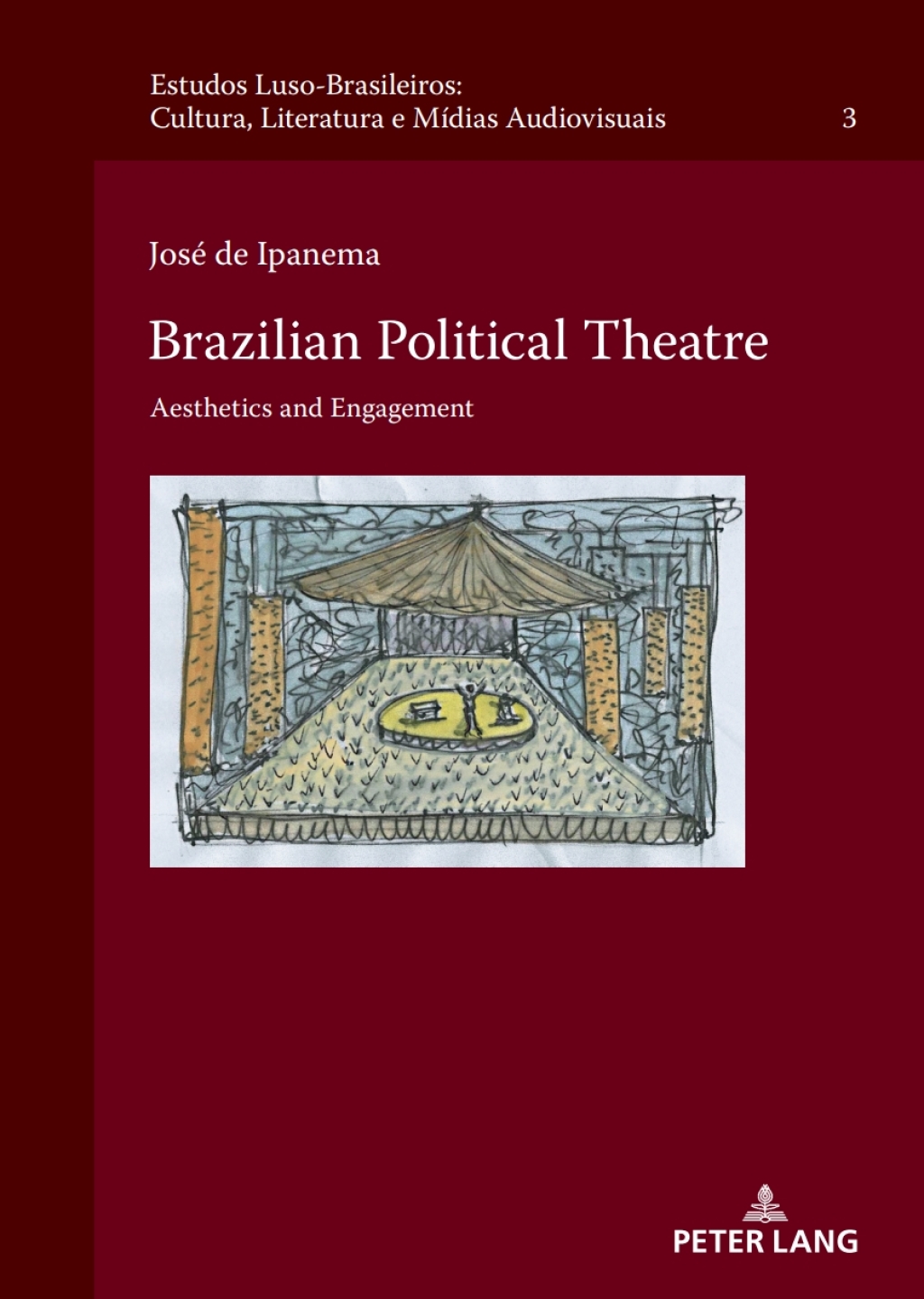
Brazilian Political Theatre Aesthetics and Engagement 1st Edition – PDF/EPUB Version Downloadable
Author(s): José de Ipanema
Publisher: Peter Lang GmbH, Internationaler Verlag der Wissenschaften
ISBN: 9783631907603
Edition: 1st Edition
$49,99
Delivery: This can be downloaded Immediately after purchasing.
Version: Only PDF Version.
Compatible Devices: Can be read on any device (Kindle, NOOK, Android/IOS devices, Windows, MAC)
Quality: High Quality. No missing contents. Printable
Recommended Software: Check here

Important: No Access Code
Description
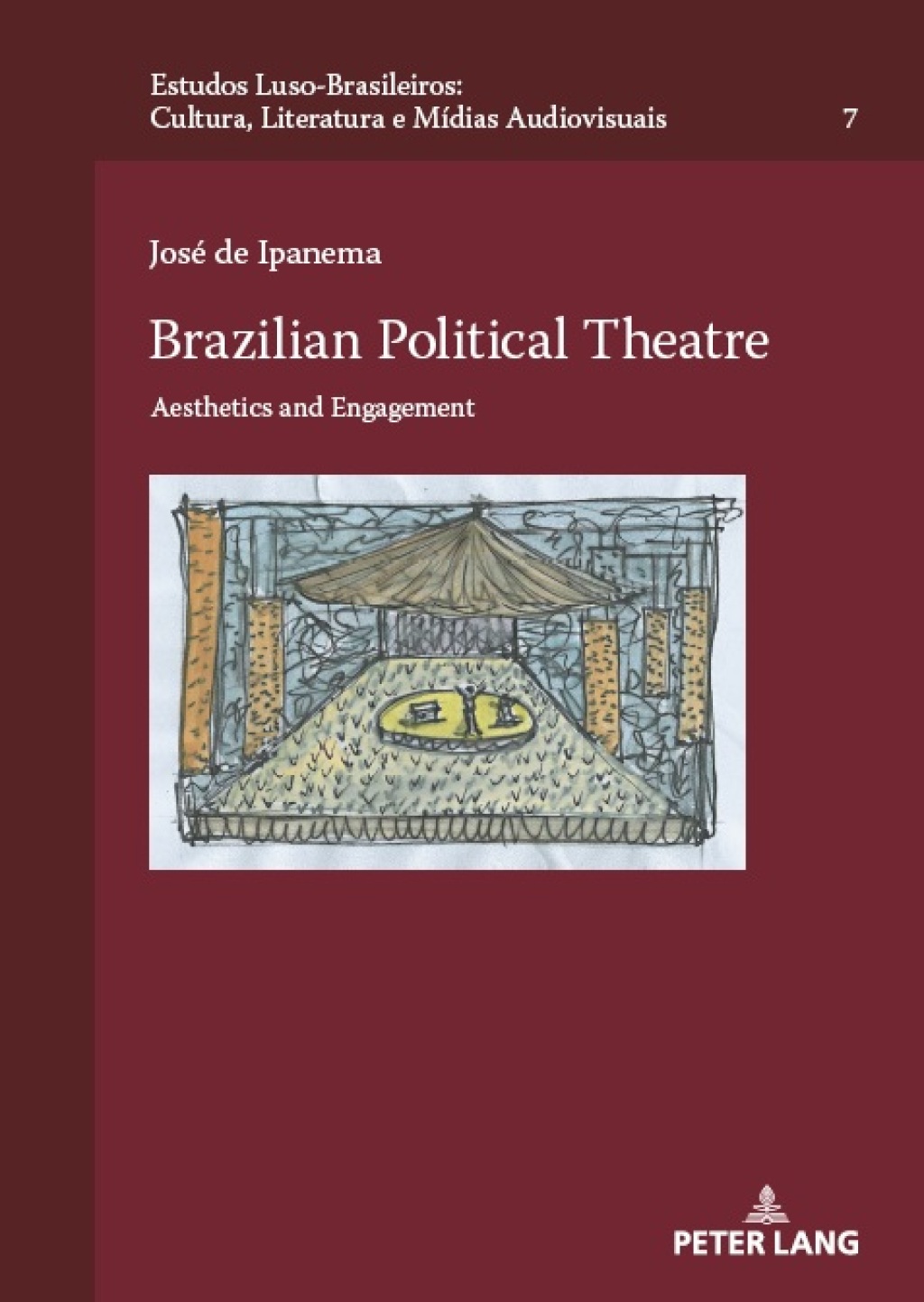
This book retrieves the narrative and social context of Brazilian historical performances and artistic movements to restore, with the support of a vast literature review, aesthetic analysis and the debate around engagement, the due complexity to the multifaceted concept of political theatre. Broadening the perspective, it addresses one of the most significant contemporary resonances of such an itinerary: Augusto Boal’s Theatre of the Oppressed, challenging canons of the role of performers and spectators. The research also seeks, by refusing pamphleteering or professorial responses, to shed light on the contested actuality of theatre’s social function, especially after the extreme right wave that has been testing the usefulness of traditional institutions.
Related products
Brazilian Political Theatre Aesthetics and Engagement 1st Edition – PDF/EPUB Version Downloadable
Author(s): José de Ipanema
Publisher: Peter Lang GmbH, Internationaler Verlag der Wissenschaften
ISBN: 9783631907603
Edition: 1st Edition
$49,99
Delivery: This can be downloaded Immediately after purchasing.
Version: Only PDF Version.
Compatible Devices: Can be read on any device (Kindle, NOOK, Android/IOS devices, Windows, MAC)
Quality: High Quality. No missing contents. Printable
Recommended Software: Check here

Important: No Access Code
Description
This book retrieves the narrative and social context of Brazilian historical performances and artistic movements to restore, with the support of a vast literature review, aesthetic analysis and the debate around engagement, the due complexity to the multifaceted concept of political theatre. Broadening the perspective, it addresses one of the most significant contemporary resonances of such an itinerary: Augusto Boal’s Theatre of the Oppressed, challenging canons of the role of performers and spectators. The research also seeks, by refusing pamphleteering or professorial responses, to shed light on the contested actuality of theatre’s social function, especially after the extreme right wave that has been testing the usefulness of traditional institutions.