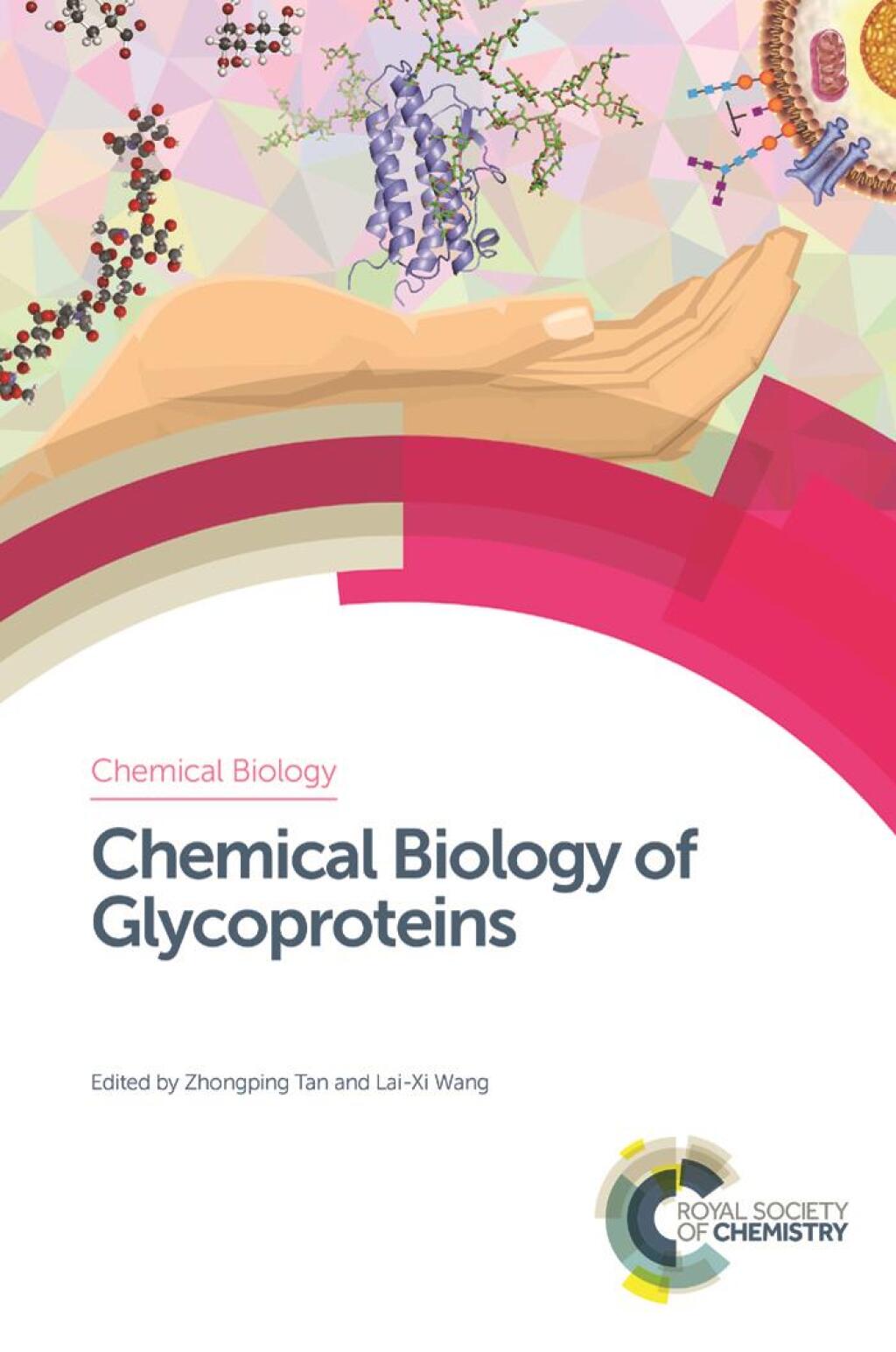
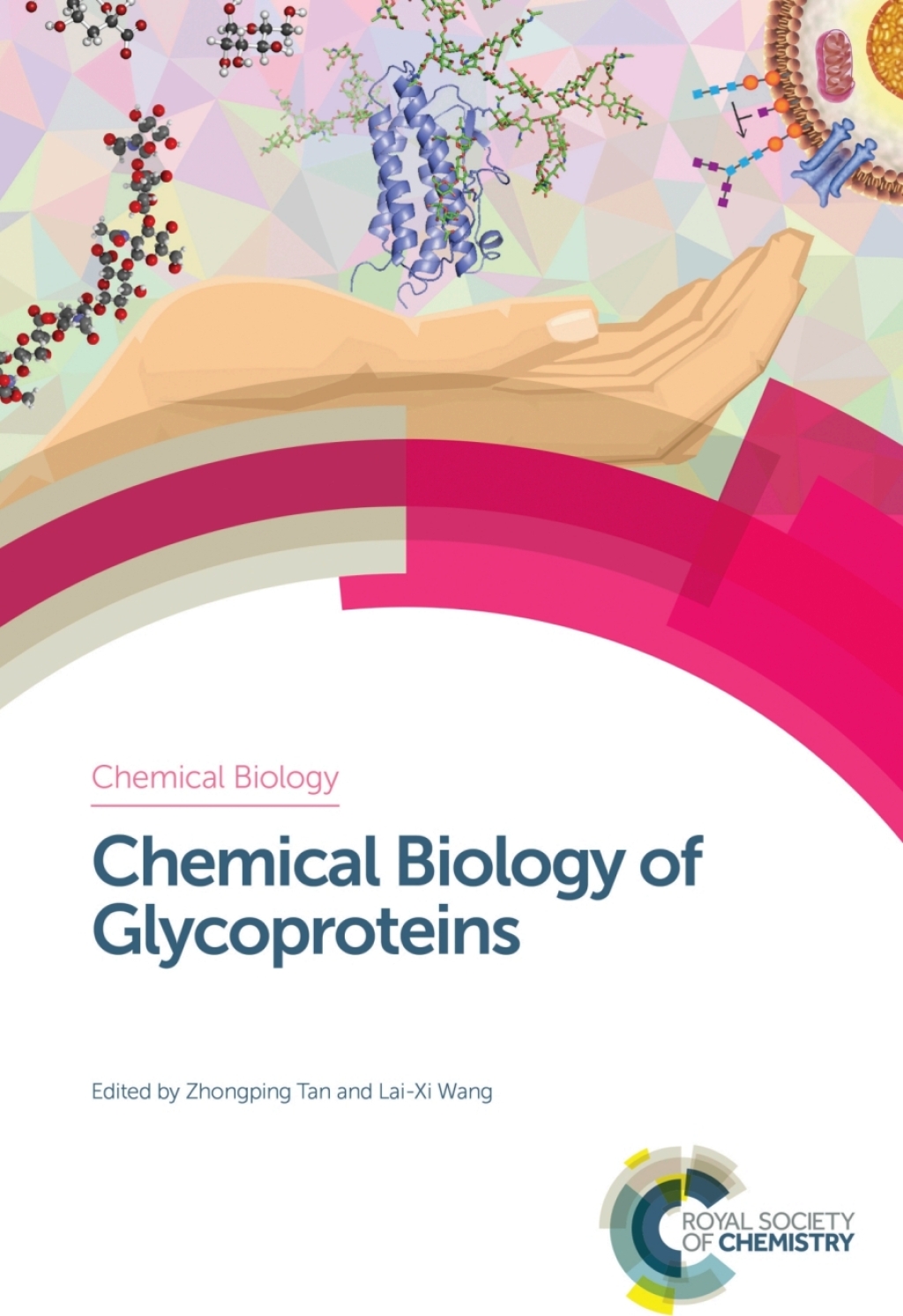
Chemical Biology of Glycoproteins 1st Edition – PDF/EPUB Version Downloadable
Author(s): Zhongping Tan
Publisher: Royal Society of Chemistry
ISBN: 9781782623823
Edition: 1st Edition
$49,99
Delivery: This can be downloaded Immediately after purchasing.
Version: Only PDF Version.
Compatible Devices: Can be read on any device (Kindle, NOOK, Android/IOS devices, Windows, MAC)
Quality: High Quality. No missing contents. Printable
Recommended Software: Check here

Important: No Access Code
Description
Glycans play a vital role in modulating protein structure and function from involvement in protein folding, solubility and stability to regulation of tissue distribution, recognition specificity, and biological activity. They can act as both positive and negative regulators of protein function, providing an additional level of control with respect to genetic and environmental conditions. Due to the complexity of glycosylated protein forms, elucidating structural and functional information has been challenging task for researchers but recent development of chemical biology-based tools and techniques is bridging these knowledge gaps. This book provides a thorough review of the current state of glycoprotein chemical biology, describing the development and application of glycoprotein and glycan synthesis technologies for understanding and manipulating protein glycosylation.
Related products
Chemical Biology of Glycoproteins 1st Edition – PDF/EPUB Version Downloadable
Author(s):
Publisher: Royal Society of Chemistry
ISBN: 9781782623335
Edition: 1st Edition
$49,99
Delivery: This can be downloaded Immediately after purchasing.
Version: Only PDF Version.
Compatible Devices: Can be read on any device (Kindle, NOOK, Android/IOS devices, Windows, MAC)
Quality: High Quality. No missing contents. Printable
Recommended Software: Check here
Important: No Access Code
Description
Glycans play a vital role in modulating protein structure and function from involvement in protein folding, solubility and stability to regulation of tissue distribution, recognition specificity, and biological activity. They can act as both positive and negative regulators of protein function, providing an additional level of control with respect to genetic and environmental conditions. Due to the complexity of glycosylated protein forms, elucidating structural and functional information has been challenging task for researchers but recent development of chemical biology-based tools and techniques is bridging these knowledge gaps. This book provides a thorough review of the current state of glycoprotein chemical biology, describing the development and application of glycoprotein and glycan synthesis technologies for understanding and manipulating protein glycosylation.