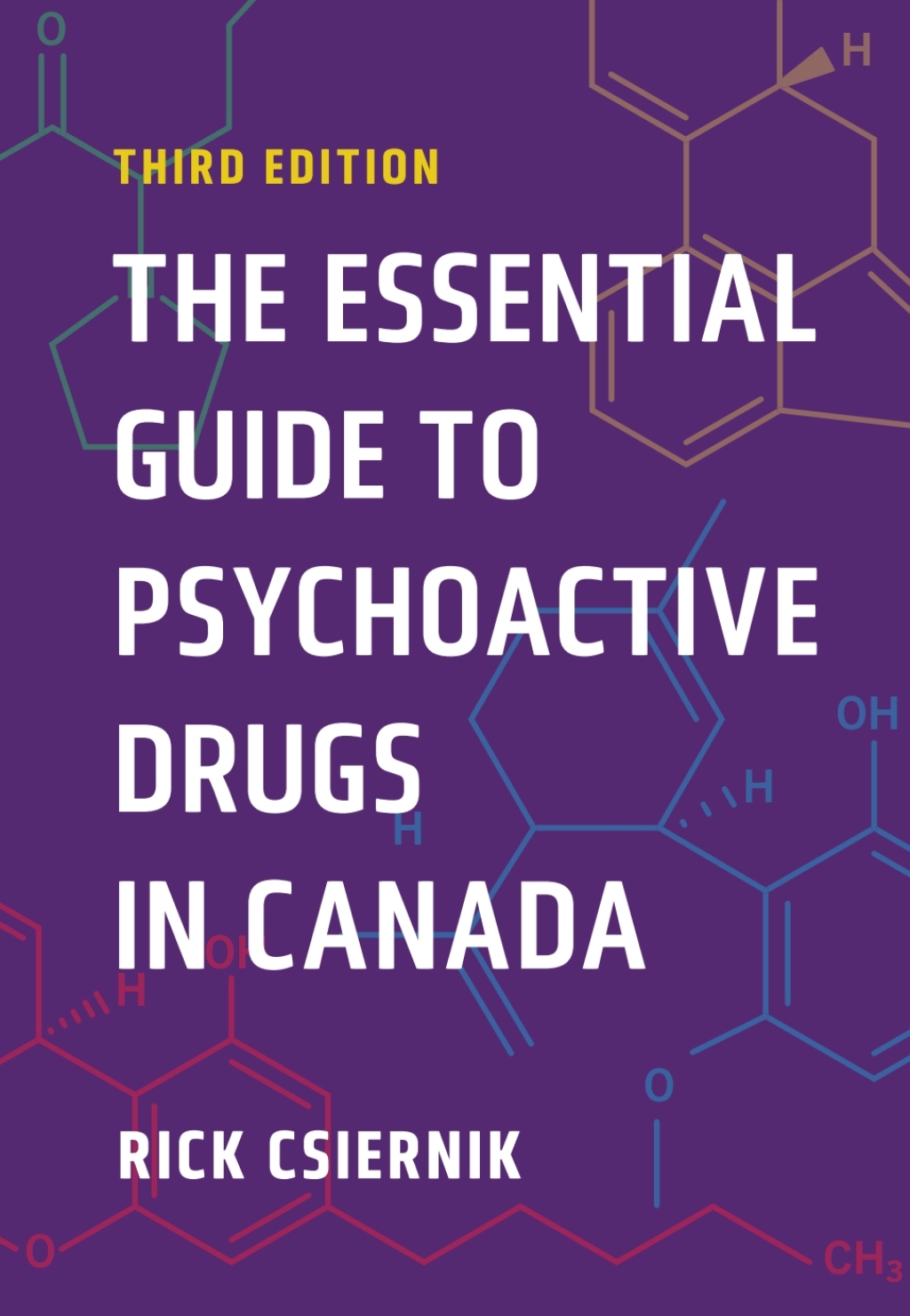
The Essential Guide to Psychoactive Drugs in Canada 3rd Edition – PDF/EPUB Version Downloadable

Author(s): Rick Csiernik
Publisher: Canadian Scholars
ISBN: 9781773385044
Edition: 3rd Edition

$49,99

Delivery: This can be downloaded Immediately after purchasing.
Version: Only PDF Version.
Compatible Devices: Can be read on any device (Kindle, NOOK, Android/IOS devices, Windows, MAC)
Quality: High Quality. No missing contents. Printable

Recommended Software: Check here

Important: No Access Code

Description


The Essential Guide to Psychoactive Drugs in Canada, Third Edition

The Essential Guide to Psychoactive Drugs in Canada, Third Edition

The Essential Guide to Psychoactive Drugs in Canada, Third Edition provides a practical
understanding of psychoactive drug pharmacology and physiology, accessibly unpacking the risks and
therapeutic applications of the most commonly used and misused drug families, including depressants,
opioids, stimulants, hallucinogens, and psychotherapeutics. Rick Csiernik demystifies the misuse of
prescription compounds, as well as drugs that are new to North American communities, such as
captagon, xylazine, and nitazene.

This third edition continues the work of the previous editions, featuring thoroughly updated
references as well as new boxes focusing on key contemporary pharmacological issues including
differences in opioid versus stimulant overdose, e-cigarettes and vaping, psychedelic-assisted
therapy, microdosing, and Δ8-Tetrahydrocannabinol. The appendices are expanded to include an
easy-to-read summary of the effects of active drug use and withdrawal, as well as the effects of
psychoactive drugs on adolescents and seniors.

Light on jargon and heavy on evidence, The Essential Guide to Psychoactive Drugs in Canada
supplies the blueprints that every service provider needs to dispense sound, evidence-based care and
is an ideal resource for counsellors, therapists, instructors, and students looking to acquire an
in-depth, practical understanding of drug use, medication, and addiction.

Features:

  • Updated references with a focus on contemporary pharmacological issues
  • Uses accessible language suitable for foundational undergraduate courses
  • Instructor resources include PowerPoints, a test bank of multiple choice and true/false questions,
    and an extensive instructor’s guide comprising group activity and discussion questions, suggested
    short assignment questions and critical thinking essay questions, and additional resources