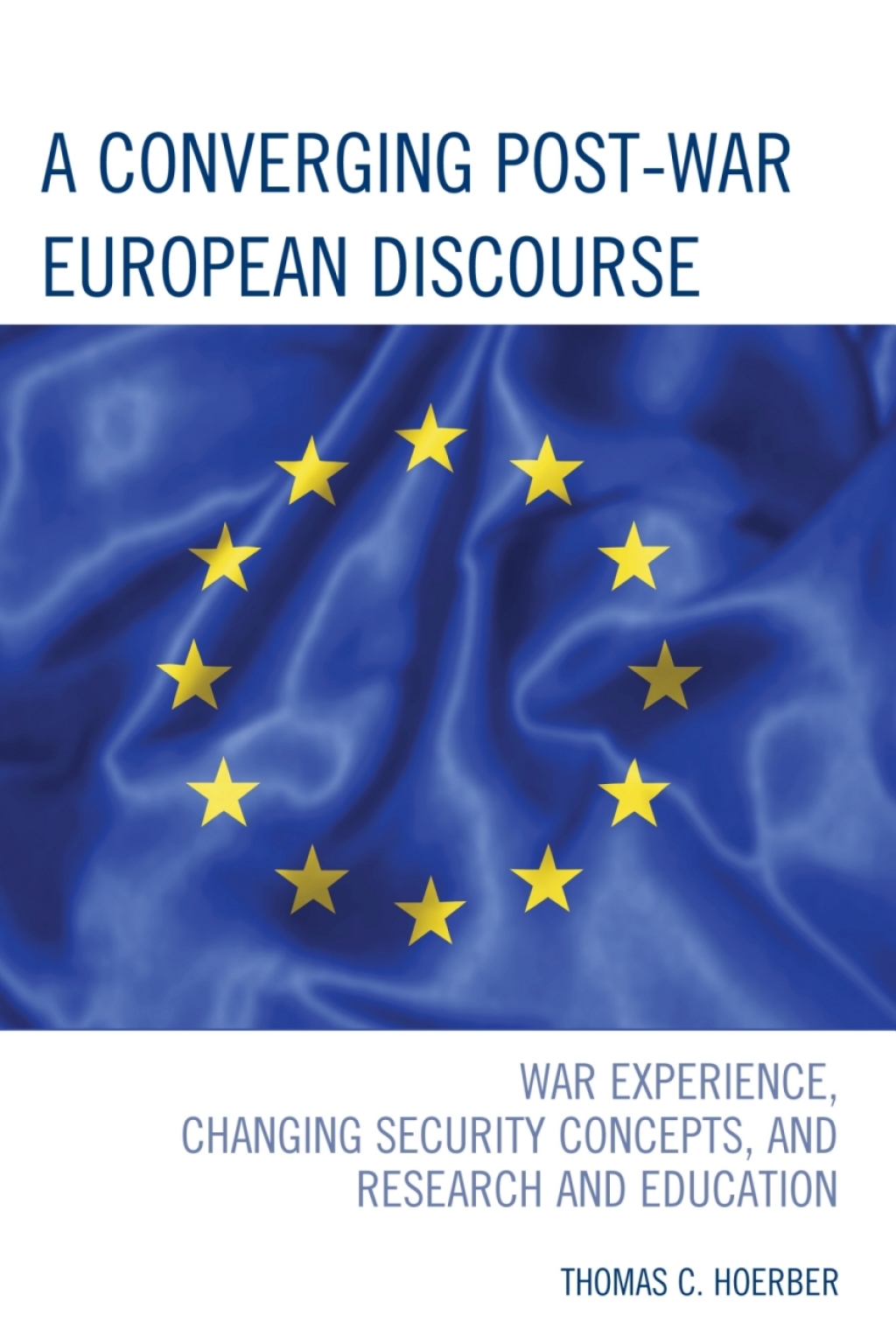
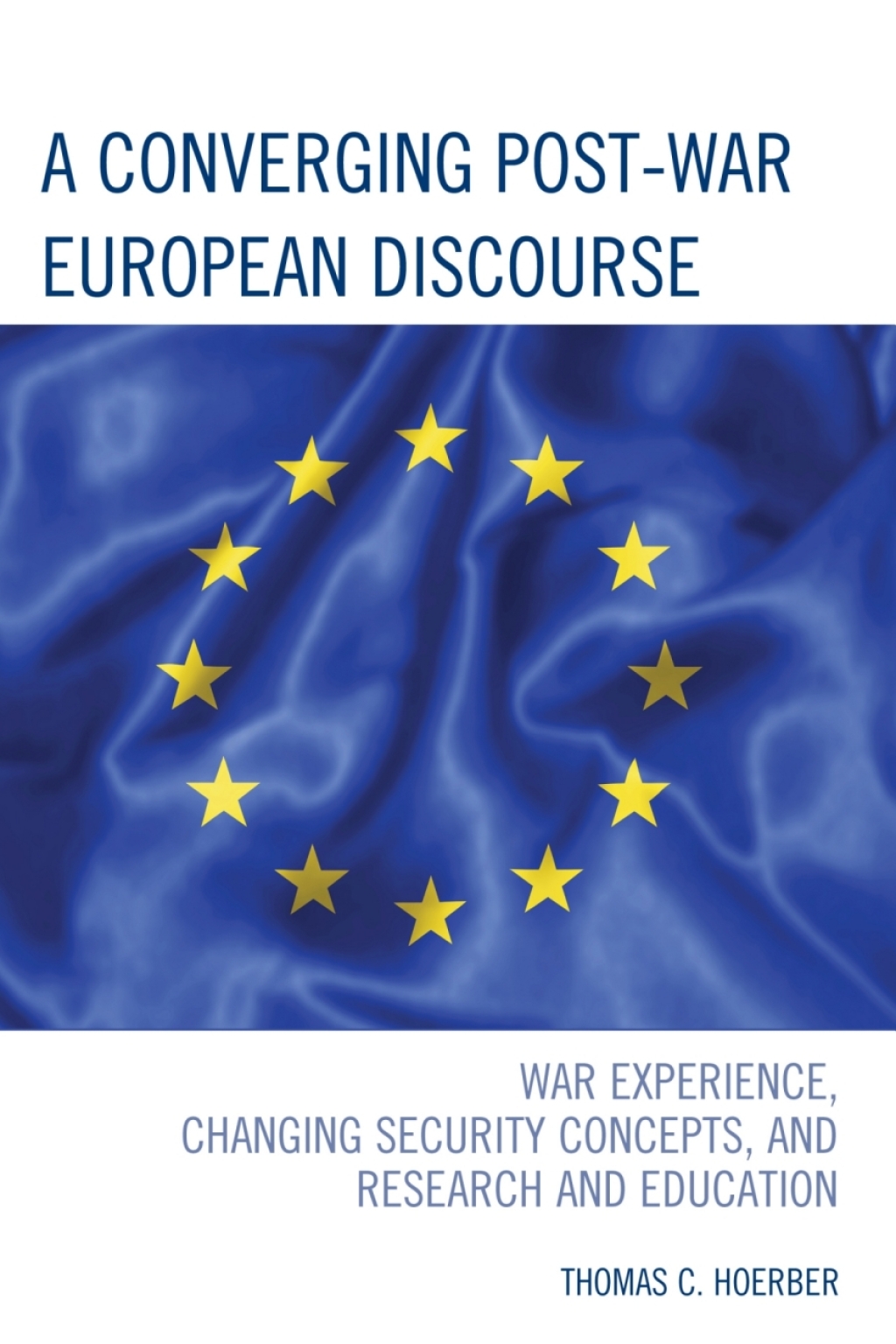
A Converging Post-War European Discourse War Experience, Changing Security Concepts, and Research and Education 1st Edition – PDF/EPUB Version Downloadable

Author(s): Thomas C. Hoerber
Publisher: Lexington Books
ISBN: 9780739192122
Edition: 1st Edition

$49,99

Delivery: This can be downloaded Immediately after purchasing.
Version: Only PDF Version.
Compatible Devices: Can be read on any device (Kindle, NOOK, Android/IOS devices, Windows, MAC)
Quality: High Quality. No missing contents. Printable

Recommended Software: Check here

Important: No Access Code

Description

This book explores the most important components and contributing factors to the European integration process during the 1950s. It seeks to combine comparative politics and political history to examine core themes such as war experience, national security, military security, economic security, societal security, and research and education in three major European countries, i.e. France, Germany, and Britain. It analyses the references to the ensuing European integration process in national parliamentary debates, analyzing which national needs were thought European integration could cater to, but also which national positions were seen as being compromised by a closer European commitment. The development of a national position on European integration and in turn the evolution of European concepts are considered by using discourse theory on parliamentary debates in France, Germany, and Britain.

Parliamentary discourses are shown to be an ideal source for analyzing grand themes, such as European integration, because they cover all fundamental ideas; they have to be public and open-ended deliberations which in turn determined the position of each country towards European integration. The great variety of positions reflected in the parliamentary discourse, in particular those which did not prevail and which did not find their way into the commonly accepted historical storyline of European integration, provide a greater comprehensiveness and a better understanding of the history of the European integration process.

A Converging Post-War European Discourse War Experience, Changing Security Concepts, and Research and Education 1st Edition – PDF/EPUB Version Downloadable

Author(s): Thomas C. Hoerber
Publisher: Lexington Books
ISBN: 9780739192122
Edition: 1st Edition

$49,99

Delivery: This can be downloaded Immediately after purchasing.
Version: Only PDF Version.
Compatible Devices: Can be read on any device (Kindle, NOOK, Android/IOS devices, Windows, MAC)
Quality: High Quality. No missing contents. Printable

Recommended Software: Check here
Important: No Access Code

Description

This book explores the most important components and contributing factors to the European integration process during the 1950s. It seeks to combine comparative politics and political history to examine core themes such as war experience, national security, military security, economic security, societal security, and research and education in three major European countries, i.e. France, Germany, and Britain. It analyses the references to the ensuing European integration process in national parliamentary debates, analyzing which national needs were thought European integration could cater to, but also which national positions were seen as being compromised by a closer European commitment. The development of a national position on European integration and in turn the evolution of European concepts are considered by using discourse theory on parliamentary debates in France, Germany, and Britain. Parliamentary discourses are shown to be an ideal source for analyzing grand themes, such as European integration, because they cover all fundamental ideas; they have to be public and open-ended deliberations which in turn determined the position of each country towards European integration. The great variety of positions reflected in the parliamentary discourse, in particular those which did not prevail and which did not find their way into the commonly accepted historical storyline of European integration, provide a greater comprehensiveness and a better understanding of the history of the European integration process.