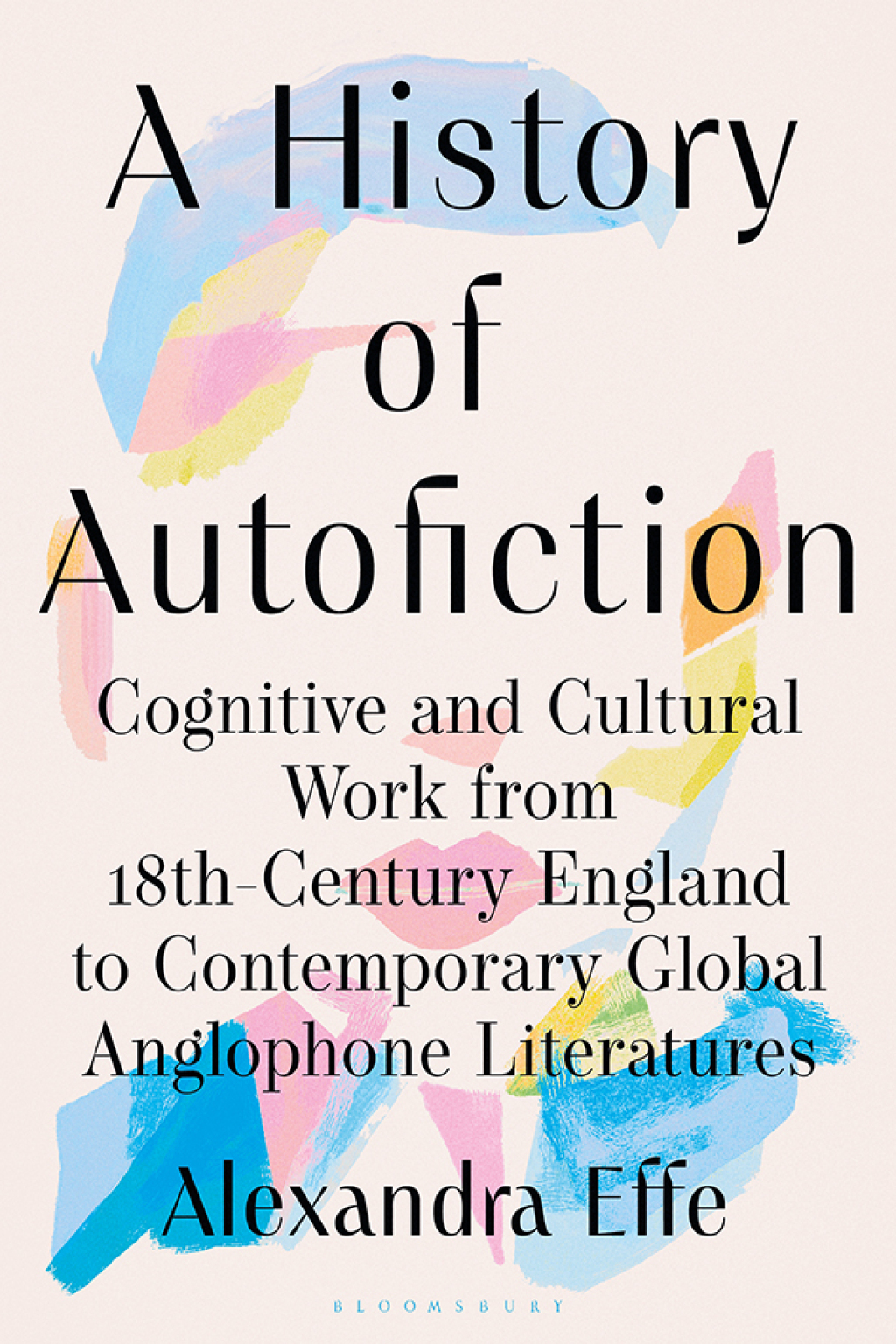
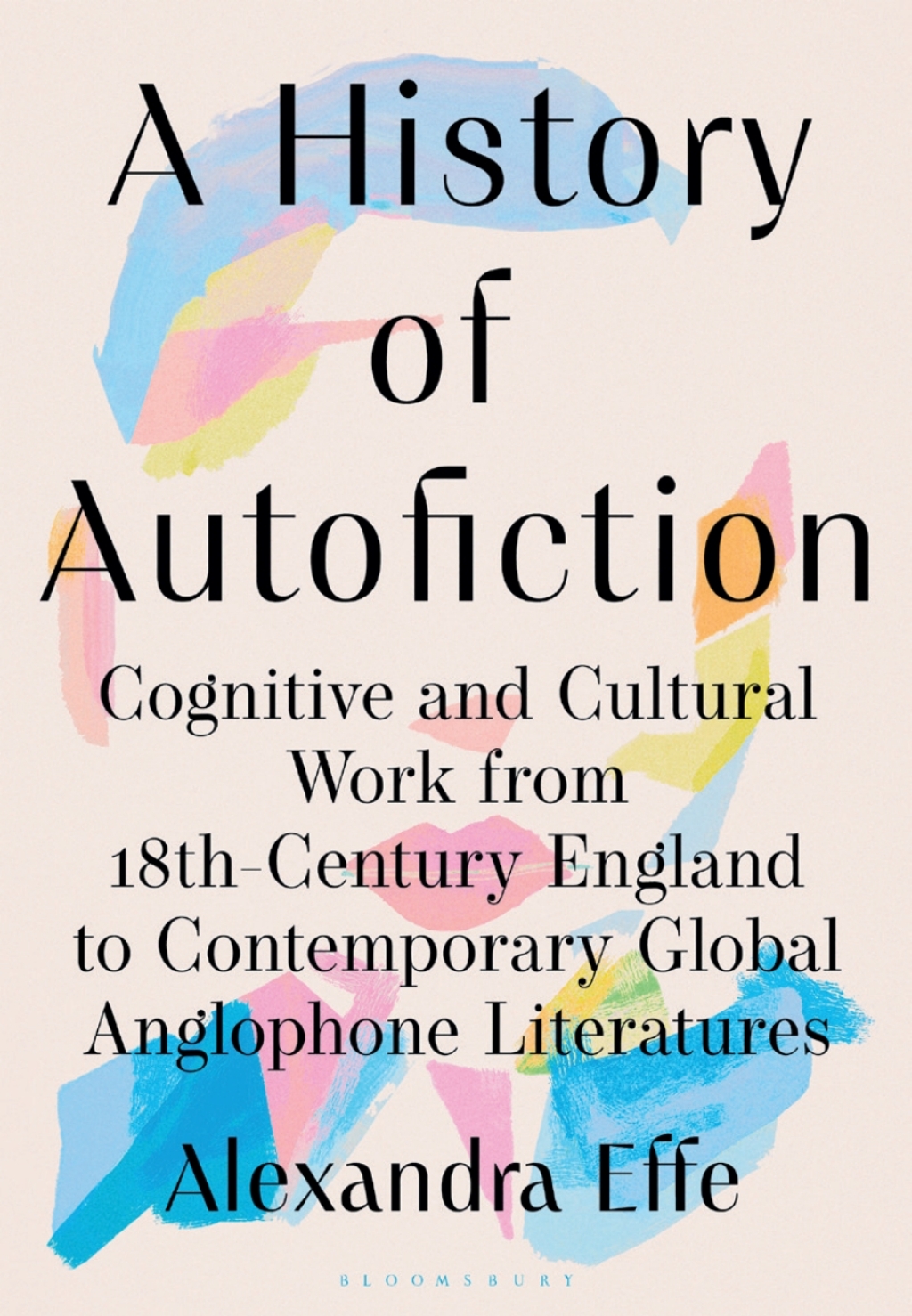
A History of Autofiction Cognitive and Cultural Work from 18th-Century England to Contemporary Global Anglophone Literatures 1st Edition – PDF/EPUB Version Downloadable
Author(s): Alexandra Effe
Publisher: Bloomsbury Academic
ISBN: 9781350539570
Edition: 1st Edition
$49,99
Delivery: This can be downloaded Immediately after purchasing.
Version: Only PDF Version.
Compatible Devices: Can be read on any device (Kindle, NOOK, Android/IOS devices, Windows, MAC)
Quality: High Quality. No missing contents. Printable
Recommended Software: Check here

Important: No Access Code
Description
Mapping the largely neglected history of autofictional literature, and describing developments against socio-historical changes, cultural trends, and philosophical-psychological discussions around self and mind, this book both explores and historicizes autofiction’s contemporary boom. Beginning with the genre’s emergence in 18th-century England against changes in publishing culture and author concept, and then tracing forms and functions of autofictional literature up to the contemporary moment, A History of Autofiction highlights why select narrative strategies are abandoned, transformed, or repurposed; which forms, affordances, and effects of autofictional modes are persistent; and which were particular to a given period. With focus on salient authors and texts from anglophone autofiction around the world, and shining spotlights on insightful socio-historical and biographical contexts, Alexandra Effe foregrounds autofictional elements of works not previously considered for these dimensions and offers fresh perspectives on a range of canonical autofictional texts.
interdisciplinary in approach, the book sheds light on autofictional phenomena through research in neuroscience, psychology and philosophy of mind while demonstrating that autofictional literature holds insights for cognitive science. Developing a cognitive-holistic approach to the triad of author, text, and reader, the book allows for a novel and more encompassing understanding of an important current cultural trend and of its diachronic development.
Related products
A History of Autofiction Cognitive and Cultural Work from 18th-Century England to Contemporary Global Anglophone Literatures 1st Edition – PDF/EPUB Version Downloadable
Author(s): Alexandra Effe
Publisher: Bloomsbury Academic
ISBN: 9781350539570
Edition: 1st Edition
$49,99
Delivery: This can be downloaded Immediately after purchasing.
Version: Only PDF Version.
Compatible Devices: Can be read on any device (Kindle, NOOK, Android/IOS devices, Windows, MAC)
Quality: High Quality. No missing contents. Printable
Recommended Software: Check here
Important: No Access Code
Description
Mapping the largely neglected history of autofictional literature, and describing developments against socio-historical changes, cultural trends, and philosophical-psychological discussions around self and mind, this book both explores and historicizes autofiction’s contemporary boom. Beginning with the genre’s emergence in 18th-century England against changes in publishing culture and author concept, and then tracing forms and functions of autofictional literature up to the contemporary moment, A History of Autofiction highlights why select narrative strategies are abandoned, transformed, or repurposed; which forms, affordances, and effects of autofictional modes are persistent; and which were particular to a given period. With focus on salient authors and texts from anglophone autofiction around the world, and shining spotlights on insightful socio-historical and biographical contexts, Alexandra Effe foregrounds autofictional elements of works not previously considered for these dimensions and offers fresh perspectives on a range of canonical autofictional texts. interdisciplinary in approach, the book sheds light on autofictional phenomena through research in neuroscience, psychology and philosophy of mind while demonstrating that autofictional literature holds insights for cognitive science. Developing a cognitive-holistic approach to the triad of author, text, and reader, the book allows for a novel and more encompassing understanding of an important current cultural trend and of its diachronic development.