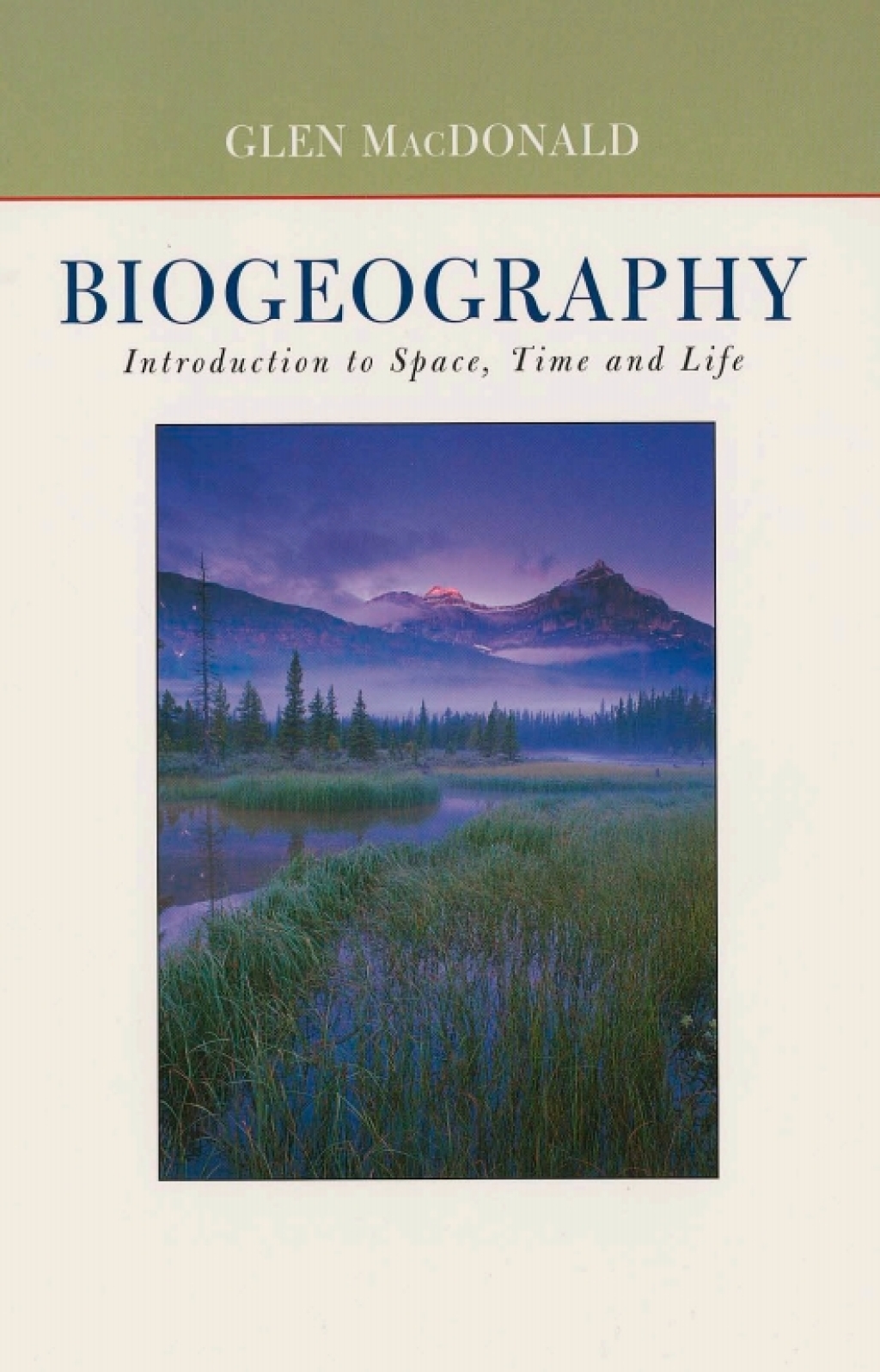
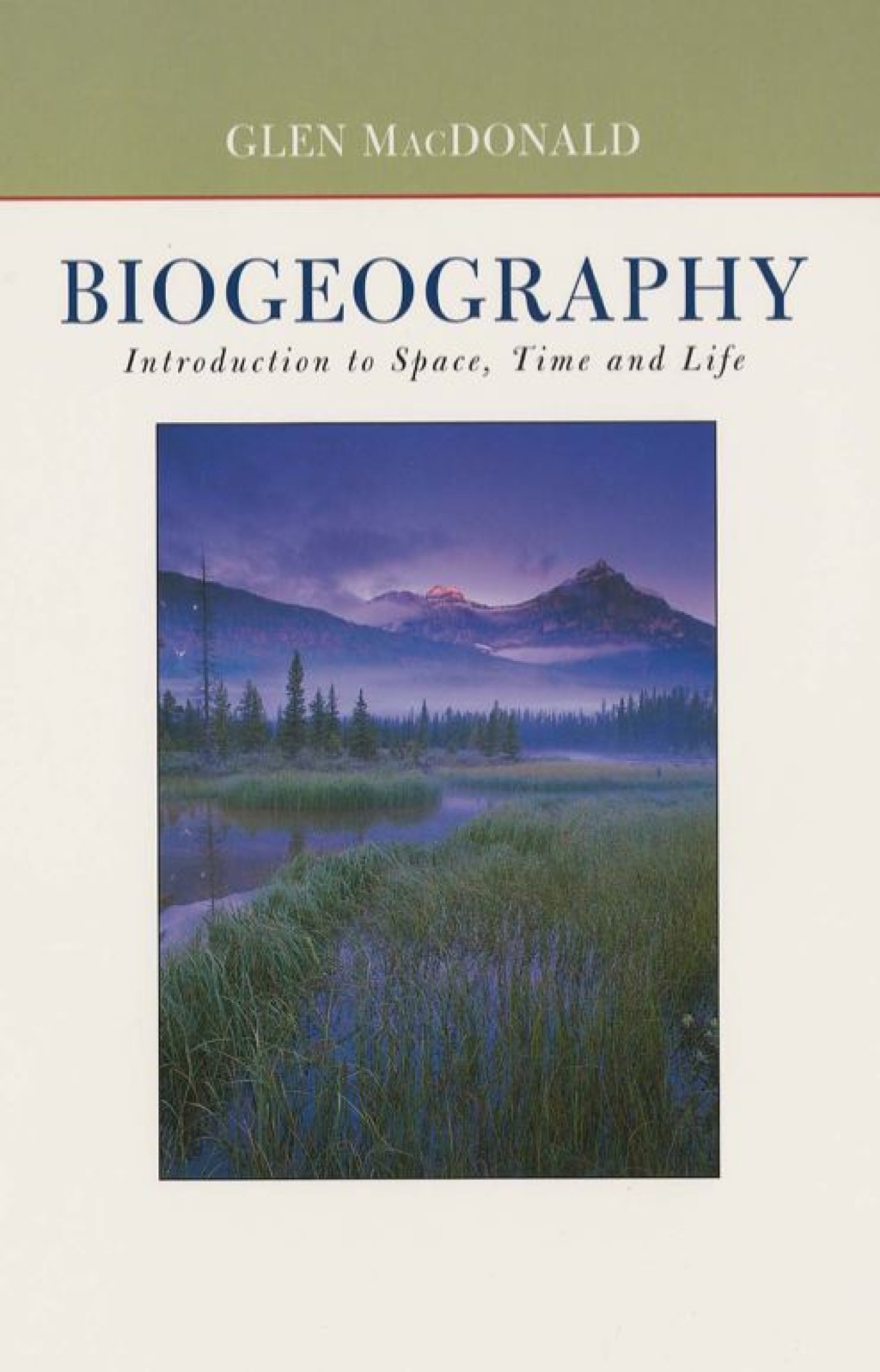
Biogeography: Introduction to Space, Time, and Life 1st Edition – PDF/EPUB Version Downloadable

Author(s): Glen MacDonald
Publisher: Wiley
ISBN: 9780471241935
Edition: 1st Edition

$49,99

Delivery: This can be downloaded Immediately after purchasing.
Version: Only PDF Version.
Compatible Devices: Can be read on any device (Kindle, NOOK, Android/IOS devices, Windows, MAC)
Quality: High Quality. No missing contents. Printable

Recommended Software: Check here

Important: No Access Code

Description

The goal of biogeography is to build an understanding of biogeography as a unified science studying how environment, space and time interact to control the large-scale distribution of organisms. This title includes the key concepts related to the study of vegetation and animal distributions and the human impact on these distributions.

Biogeography: Introduction to Space, Time, and Life 1st Edition – PDF/EPUB Version Downloadable

Author(s): Glen MacDonald
Publisher: Wiley
ISBN: 9780471241935
Edition: 1st Edition

$49,99

Delivery: This can be downloaded Immediately after purchasing.
Version: Only PDF Version.
Compatible Devices: Can be read on any device (Kindle, NOOK, Android/IOS devices, Windows, MAC)
Quality: High Quality. No missing contents. Printable

Recommended Software: Check here
Important: No Access Code

Description

Illustrative examples from recent research publications and “classic” studies are prominently featured throughout the book.
Research techniques are highlighted in “special interest” boxes. Illustrations and descriptions of research techniques are provided with examples such as fire-scars from trees used to reconstruct disturbance, fossil pollen used to reconstruct vegetation change and plant migration, transect and quadrate sampling.
Includes key biogeographical theories that link space and time to the distribution of life. Some of these theories include: 1. Ranges, Reflicts, Refuges, Corridors, Barriers, 2. Centers of Origins, 3. Cladistics, 4. Variance, 5. Island BioGeography, 6. Diversity Theory, 7. Gap Analysis for Conservation.