Bioinoculants: A Step Towards Sustainable Agriculture 1st Edition – PDF/EPUB Version Downloadable

Author(s): R.P. Gupta, A.Kalia & Shammi Kapoor
Publisher: NIPA
ISBN: 9788189422219
Edition: 1st Edition

$49,99

Delivery: This can be downloaded Immediately after purchasing.
Version: Only PDF Version.
Compatible Devices: Can be read on any device (Kindle, NOOK, Android/IOS devices, Windows, MAC)
Quality: High Quality. No missing contents. Printable

Recommended Software: Check here

Important: No Access Code

Description

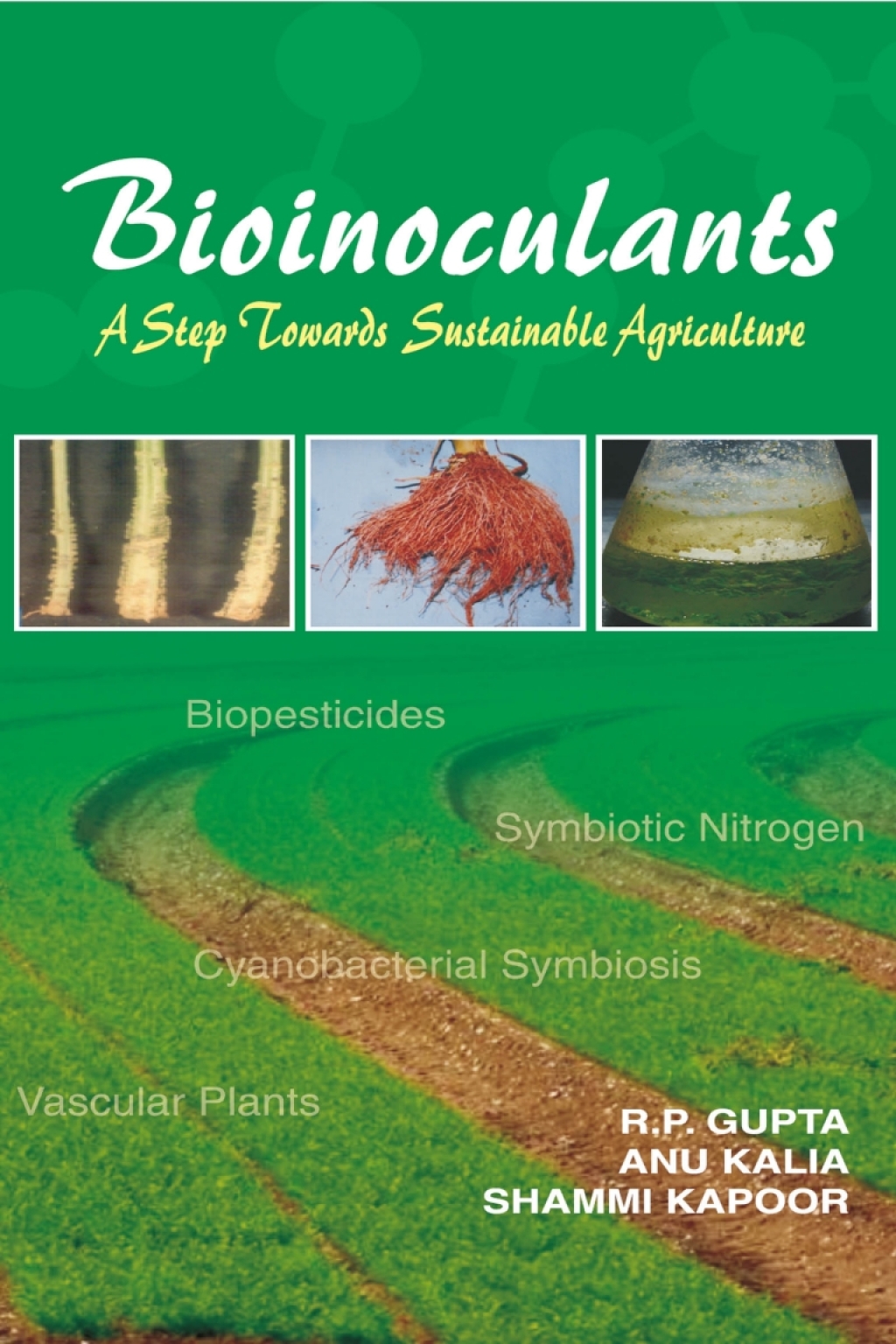
Developing countries, particularly those in the Indian subcontinent, are experiencing significant economic, agricultural, and industrial growth. The primary objective of modern agricultural practices is to increase grain production to feed the growing population. As a result, the use of chemical fertilizers and other agrochemicals is becoming increasingly necessary. However, the high cost of these products puts pressure on the country fossil fuel reserves.

Bioinoculants, such as biofertilizers, biopesticides, and organic decomposers, are a more eco-friendly and economically viable alternative to chemical fertilizers and pesticides. Biofertilizers are live microbial cells that provide essential nutrients, promote growth, and improve resistance to diseases, leading to increased yields. Biopesticides are live microbial isolates or their metabolic products that help control pests and insects. Commercial biopesticides, such as Bt cotton, have emerged as successful alternatives to traditional pesticides.

The third category of bioinoculants includes organic decomposers, such as fungal species, bacterial genera, and actinomycetes, which break down organic matter and release nutrients for plant growth. These eco-friendly solutions can help reduce reliance on chemical fertilizers and pesticides, making them a promising option for sustainable agriculture in developing countries.